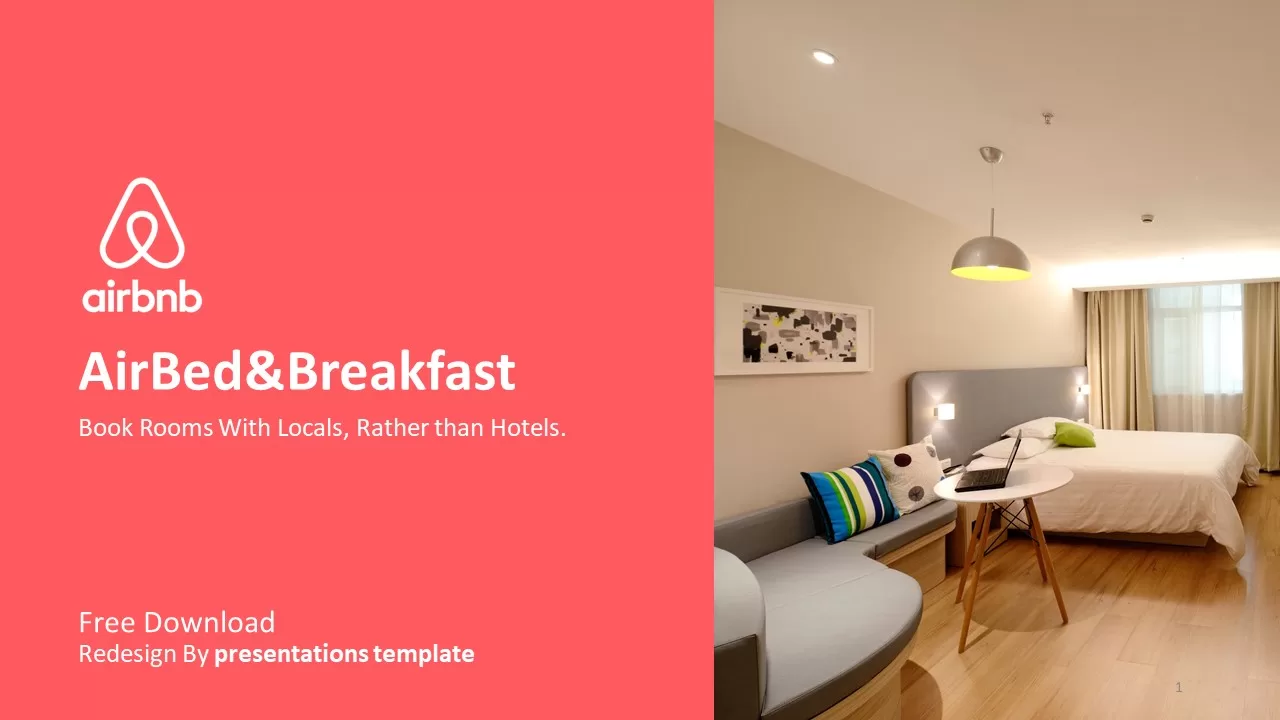
Top 10 Effective Branding Pitch Deck Examples for Entrepreneurs
When you’re pitching, your deck is the first impression you give. A strong visual story can turn a skeptical investor into an eager backer. Below are ten decks that nail branding while keeping the focus on what matters most.
1. Clean Minimalist Deck
Key Takeaways
- Use plenty of white space to let ideas breathe.
- Stick to a single accent color for brand consistency.
- Limit text to short, punchy statements.
- Show a high‑resolution logo on the title slide.
- End with a clear ask that matches the visual tone.
Visual Style
- Monochrome backgrounds with subtle gradients.
- Bold sans‑serif fonts that read from a distance.
- Consistent iconography across all slides.
- One large image per slide to anchor the narrative.
- Animated transitions that feel natural, not flashy.
2. Story‑Driven Narrative Deck
Key Takeaways
- Start with a problem that feels personal.
- Introduce the hero—your product—early.
- Use customer quotes to humanize the story.
- Show a clear timeline of milestones.
- Wrap up with a future vision that excites.
Visual Style
- Illustrated scenes that guide the eye.
- Color blocks that separate chapters.
- Consistent typography hierarchy.
- Infographics that replace dense text.
- Backgrounds that shift subtly to match the story arc.
3. Data‑Rich Deck
Key Takeaways
- Back every claim with a chart or graph.
- Show market size, growth, and your share.
- Highlight traction with user metrics.
- Keep tables clean and easy to read.
- Use footnotes for source credibility.
Visual Style
- Bright colors for key data points.
- Minimalist grid layout for charts.
- Icon‑based legends to simplify understanding.
- Consistent axis labels across all graphs.
- Animated data reveals that emphasize growth.
4. Bold Color Palette Deck
Key Takeaways
- Choose a palette that reflects brand personality.
- Apply colors consistently to sections.
- Use contrast to draw attention to calls to action.
- Maintain readability with dark text on light backgrounds.
- Show brand colors in the logo and visuals.
Visual Style
- Vibrant gradients that add depth.
- Geometric shapes that frame content.
- Consistent icon colors that match the palette.
- Animated color shifts that reinforce branding.
- Background textures that feel tactile.
5. User‑Experience Focused Deck
Key Takeaways
- Show wireframes or mockups early.
- Highlight pain points solved by the product.
- Include user flow diagrams.
- Show testimonials with real users.
- End with a prototype demo link.
Visual Style
- Dark mode slides for tech feel.
- High‑contrast icons that pop.
- Layered images to show depth.
- Consistent spacing for readability.
- Animated transitions that mimic app flows.
6. Video‑Integrated Deck
Key Takeaways
- Embed short clips that explain the product.
- Use captions to keep accessibility.
- Keep video length under two minutes.
- Show behind‑the‑scenes footage.
- Link to full demo after the deck.
Visual Style
- Full‑width video backgrounds on key slides.
- Overlay text that stays readable.
- Consistent play button style.
- Muted sound with optional audio toggle.
- Animated captions that sync with the video.
7. Interactive Deck
Key Takeaways
- Include clickable sections that reveal more detail.
- Use slide navigation that feels like a website.
- Embed polls or Q&A prompts.
- Show live data feeds when possible.
- Keep interactivity simple and focused.
Visual Style
- Button‑style calls to action.
- Hover effects that guide the user.
- Consistent iconography for navigation.
- Clear visual hierarchy for content layers.
- Animated feedback for interactions.
8. Case‑Study Deck
Key Takeaways
- Start with a client problem.
- Show solution steps clearly.
- Display before‑and‑after metrics.
- Include a testimonial quote.
- End with a next‑step recommendation.
Visual Style
- Timeline graphic for project phases.
- Side‑by‑side comparison tables.
- Consistent color coding for phases.
- High‑resolution client photos.
- Animated progress bars for results.
9. Brand‑Story Deck
Key Takeaways
- Introduce founders with personal stories.
- Show brand values in action.
- Use mission statements as section headers.
- Highlight community impact.
- Invite partnership opportunities.
Visual Style
- Storybook layout with chapters.
- Illustrated portraits of team members.
- Consistent typography for narrative flow.
- Soft color palette that feels warm.
- Animated page turns for visual interest.
10. Future‑Vision Deck
Key Takeaways
- Paint a compelling future scenario.
- Show potential market expansion.
- Highlight upcoming product roadmap.
- Show financial projections clearly.
- End with a bold ask that aligns with the vision.
Visual Style
- Futuristic color scheme with neon accents.
- 3‑D graphics that suggest depth.
- Animated charts that evolve over time.
- Consistent icon set that feels modern.
- Backgrounds that simulate space or technology.
Each deck above demonstrates a different way to present branding in a pitch. Pick the style that matches your story, keep the message tight, and let the visuals do the heavy lifting. Your next deck can be the bridge that turns curiosity into commitment.