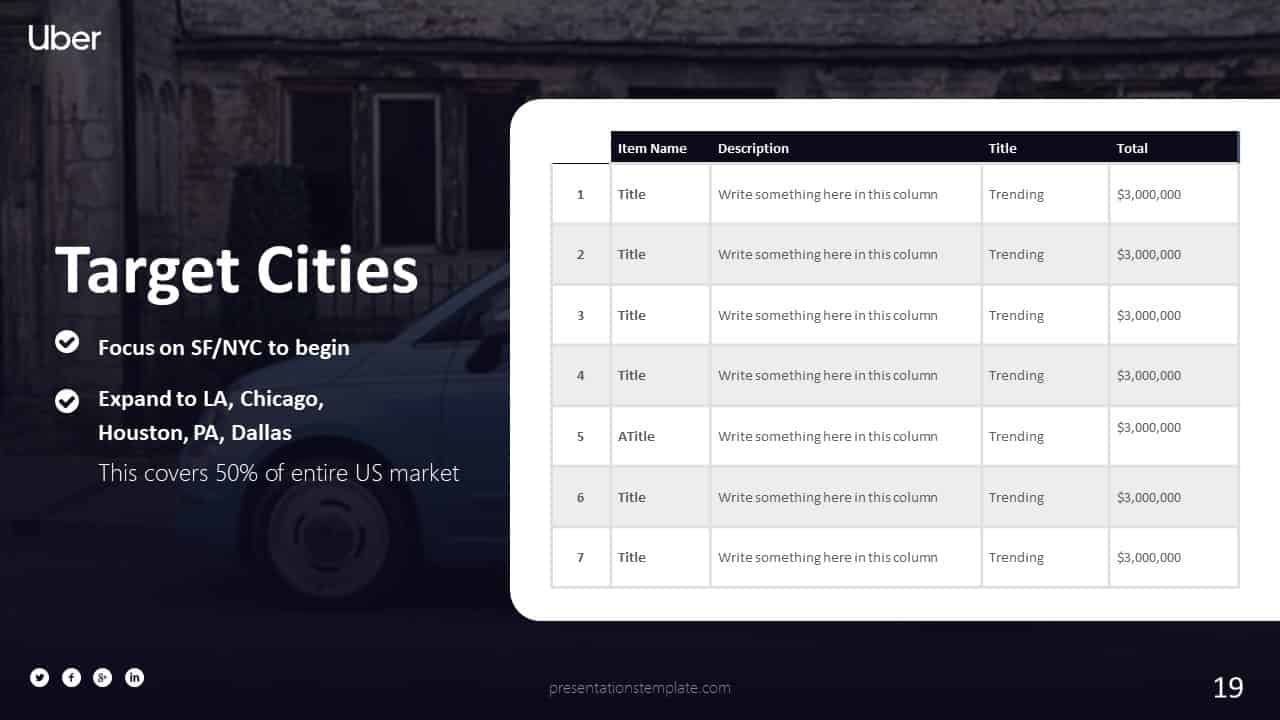
How to Build a Company Profile Pitch Deck That Captivates Investors and Closes Deals
Why a Strong Company Profile Matters
First Impressions Set the Tone
When you walk into a meeting room, the first thing anyone notices is the story you tell about your business. A well‑crafted company profile does more than list facts; it paints a picture of purpose, market fit, and growth potential. You want the audience to feel a spark of curiosity within the first few slides, not a yawning silence.
Investors skim dozens of decks each week, so a clear, compelling narrative acts like a magnet. It pulls them in, makes them ask questions, and, most importantly, convinces them that you understand the problem you’re solving. In my experience, the decks that stand out are the ones that balance hard data with a human touch.
Credibility Comes from Context
Numbers alone rarely win hearts. Pairing revenue metrics with stories about early customers, market trends, and team milestones gives depth. When you show how your product fits into a larger ecosystem, you’re not just selling a solution—you’re positioning a future market leader.
Think of your profile as a bridge: on one side sits the raw data, on the other sits the vision. A sturdy bridge invites people to cross, while a shaky one turns them away.
Key Elements of a High‑Impact Pitch Deck
Core Slides You Can’t Skip
- Problem Statement: Define the pain point in vivid, relatable terms.
- Solution Overview: Show your product in action, using screenshots or a short demo.
- Market Opportunity: Quantify the addressable market with credible sources.
- Business Model: Explain how money flows, from pricing tiers to recurring revenue.
- Traction: Highlight key metrics—users, revenue, partnerships—that prove momentum.
- Team: Spotlight founders and advisors, emphasizing relevant expertise.
- Financial Projections: Offer a realistic three‑year outlook, backed by assumptions.
- Ask: State the amount you’re raising and the intended use of funds.
Each slide should answer a single question; clutter dilutes impact. I’ve found that a clean, single‑point focus keeps the audience engaged and makes follow‑up conversations smoother.
Supporting Slides That Add Flavor
Beyond the essentials, consider adding a competitive landscape graphic, a roadmap timeline, or a brief case study. These extras reinforce credibility without overwhelming the core story. Use them sparingly—think of them as seasoning, not the main course.
And yes, this actually works: a well‑placed case study can turn a skeptical investor into a curious one, eager to learn more.
Design Tips That Keep Eyes on Your Story
Visual Consistency Is Your Silent Salesperson
Choose a limited color palette—two primary shades plus a neutral background—and stick with it throughout. Consistent fonts and icon styles create a professional feel, signaling that you pay attention to detail.
A tidy layout also guides the eye. Use ample white space, align elements to a grid, and keep text blocks short. When a slide looks like a magazine spread, the audience reads it more easily.
Data Should Speak, Not Shout
Charts and graphs are powerful, but only if they’re clear. Avoid 3‑D pie charts or overly complex line graphs. A simple bar chart with labeled axes does the job and respects the viewer’s time.
Remember to label every axis and include a brief takeaway in a caption. That way, even a quick glance conveys the key message.
Common Pitfalls and How to Dodge Them
Overloading Slides with Text
Bullet points are fine, but five‑line paragraphs belong in a handout, not a slide. If you catch yourself writing an essay, trim it down to the headline and a supporting sentence.
In practice, I replace dense paragraphs with icons and short phrases. The result is a deck that feels breezy and keeps the conversation flowing.
Neglecting the Narrative Arc
Many decks start strong, then wander into data dumps. Treat your deck like a story: set up the conflict, introduce the hero (your solution), and end with a call to action.
A clear arc ensures the audience stays emotionally invested, making the final ask feel like a natural climax.
Putting It All Together: A Step‑by‑Step Blueprint
Draft, Refine, Test
- Sketch a rough outline on a whiteboard, mapping each core slide.
- Populate slides with concise copy and relevant visuals.
- Run a 5‑minute pitch with a colleague and note where eyes drift.
- Trim any slide that doesn’t directly support the story.
- Finalize design elements—colors, fonts, icons—and export as PDF.
Following this loop twice usually lands you with a deck that feels polished and persuasive. The final test is simple: if you can explain the whole deck in under two minutes, you’ve nailed the essence.
Conclusion
Crafting a high‑impact company profile pitch deck is part art, part discipline. Focus on a clear narrative, back it with clean visuals, and prune relentlessly. When you walk into that meeting room armed with a deck that tells a compelling story, you’re already halfway to winning the deal.
Take the blueprint above, adapt it to your unique story, and watch how investors respond. Good luck, and may your next pitch be a game‑changer.