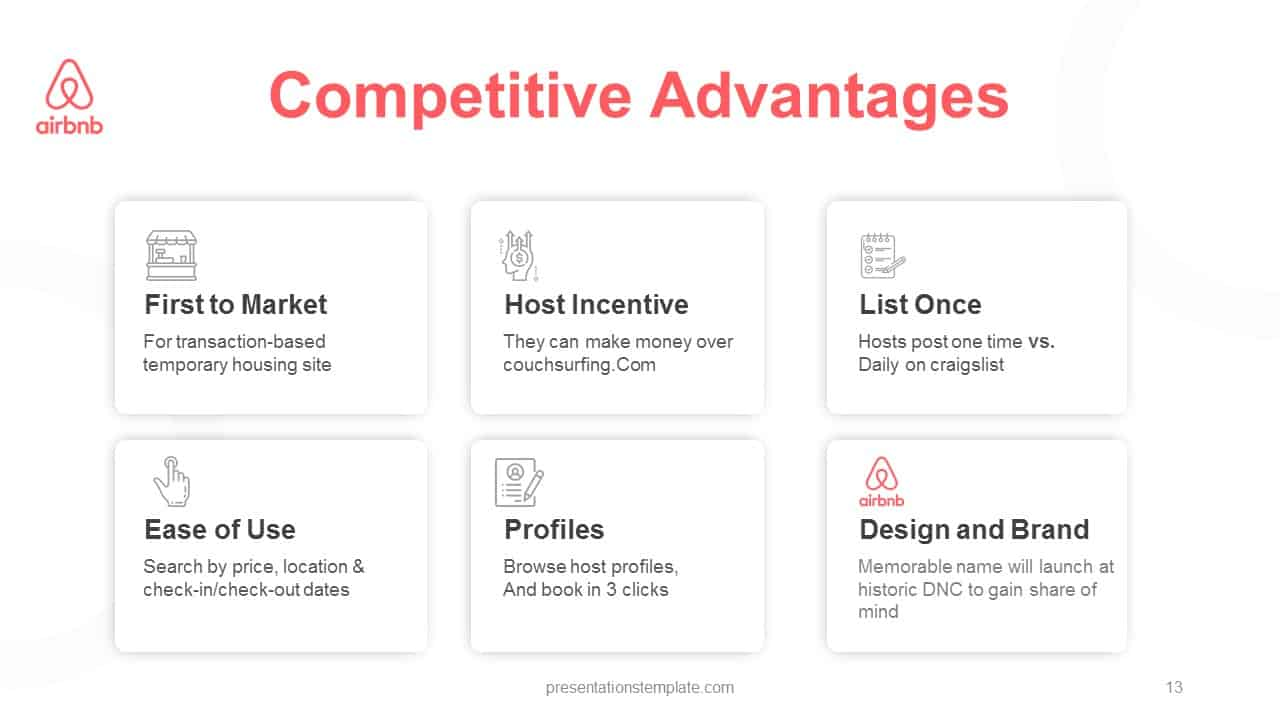
Mastering the Pitch Deck: Your Guide to Winning Over Investors
Defining Your Narrative
Before you open a single slide, you must know your story. Investors hear dozens of pitches each week, so you need a hook that grabs them immediately. You should frame your business problem as a villain and your product as the clear hero.
Focus on the emotional arc of your customer. Why do they need your help right now? Keep your core message under three sentences to ensure you do not lose the room early on.
Structuring Your Slides
The Essential Elements
A great pitch deck follows a proven path. You must cover the problem, your unique approach, the market size, and your business model. Keep the design clean and leave plenty of white space so the audience focuses on your words.
- Problem statement defining the pain point.
- Proposed resolution explaining the value.
- Market data showing room for growth.
- Financial projections highlighting sustainability.
Refining the Visuals
Avoid walls of text at all costs. You should use high-quality images and clear charts to tell your story. If an investor cannot understand your slide in five seconds, it is too complex.
Top Tools to Build Your Deck
Beautiful
Best for visual storytelling.
- Automates layout adjustments so your slides never look messy.
- Provides professional themes that demand attention.
- Syncs with data sources to keep your charts current.
I find this platform helpful because it removes the headache of formatting. It keeps your design consistent across every slide, which shows you care about the details. You can finish your draft without struggling with alignment settings.
Canva
Best for creative control.
- Offers massive libraries of graphics and stock photography.
- Permits team collaboration in real time on shared files.
- Exports to various formats with perfect quality.
Canva is my go-to when I need total freedom over the look of a presentation. It feels less restrictive than standard software and allows for much faster iteration. You can drag and drop assets until everything feels exactly right.
Closing the Deal
End your presentation with a clear ask and a path forward. Do not leave the investors guessing about your goals or your timeline. You should invite questions and show confidence in your long-term vision.
Success comes from practice and refinement. Take your feedback seriously and update your deck after every meeting. Go out there and start building your future today.