Mastering Your Professional Path: The Best Step-by-Step Business Plan Outline With Real-World Examples
Starting a new venture feels like staring at a blank canvas with no brush in your hand. You have the vision, but putting it into words is where the real grit happens. A solid business plan acts as your roadmap, guiding you through the messy middle and helping you stay on track when things get loud.
You do not need a hundred-page document to prove your worth to investors or yourself. You just need a logical flow that explains what you do, who you serve, and how you will actually make money. Let us break down how to build a plan that carries weight without the fluff.
The Core Components of a Winning Plan
Every great plan starts with a clear executive summary that hits the high notes of your operation. This section should function as a standalone pitch, summarizing your mission and why your specific approach will win in the market. If you cannot explain your value in a few paragraphs, you might need to sharpen your focus before writing the rest.
Defining Your Market Position
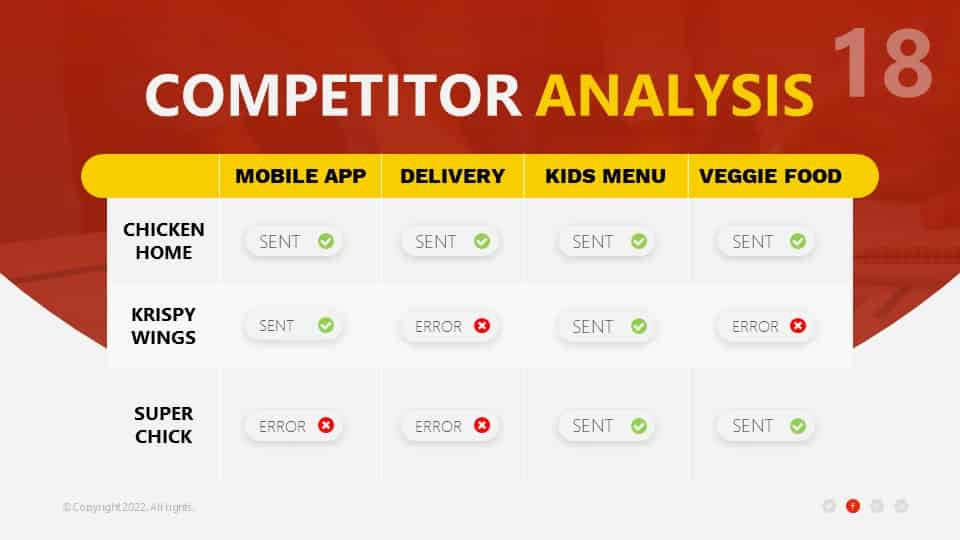
You must understand exactly who buys your product and why they choose you over the alternative. Think of this as your investigation phase where you map out the competition and identify gaps in their service. When you write this section, be honest about the hurdles you face, as investors appreciate a founder who recognizes potential risks.
- Identify specific demographic groups that match your product profile.
- Analyze competitor pricing strategies to find your own sweet spot.
- Outline the unique problems your brand resolves for customers.
- Describe your marketing channels and how you reach your audience.
- Quantify the total addressable market size to show growth potential.
Recommended Tools for Strategy
You can use modern software to streamline the drafting process and ensure your numbers stay accurate throughout the planning phase. These tools take the pain out of formatting and allow you to focus on your narrative rather than wrestling with spreadsheet cells. My experience shows that using dedicated planners prevents the usual headaches of manual tracking.
LivePlan
Best for business structure
- Guides you through every section with helpful prompts.
- Imports your accounting data to build real financial forecasts.
- Provides dashboard tracking to monitor your actual performance.
- Lets you share secure versions of your plan with potential partners.
Canva
Best for visual decks
- Offers hundreds of templates that look professional and clean.
- Allows you to create charts that explain your financial vision.
- Enables team collaboration so everyone can contribute to the slide deck.
- Exports your plan into high-quality formats for presentations.
Drafting Your Financial Outlook
Numbers provide the backbone of your plan, proving that your dream is actually a sustainable company. You need to map out your projected revenue, fixed costs, and your path to breaking even. Be conservative with your estimates, as it is always better to exceed expectations than to scramble when your cash flow dries up.
Do not be afraid to update these figures as your market data changes over the coming months. A business plan is a living document, not a static book that you shove into a drawer. Keeping your math current ensures you make decisions based on the reality of your balance sheet today, rather than a projection you made six months ago.
Finalizing Your Vision
Writing a business plan is less about the document itself and more about the clarity you gain during the process. When you finish, you should feel more confident about your next moves and the specific milestones you need to hit. Take the time to refine your goals, reach out to your mentors, and then start executing on your plan.
Go ahead and pick a tool that feels right, draft your first outline, and see where the path leads you. Success rarely follows a straight line, but having a compass makes all the difference in the world. Now, get to work and turn that vision into a reality.