Scrum vs Waterfall: Choosing the Right Approach for Your Project Success
Have you ever started a project only to watch it spiral into chaos because the plan was too rigid? Deciding between Scrum and Waterfall often feels like choosing between a high-speed sprint and a steady marathon. You need to understand that your project methodology dictates more than just deadlines; it shapes how your team communicates and delivers value.
Understanding Your Development Framework
Waterfall functions like a construction project where you finish the foundation before framing the walls. You map everything out upfront, which works well when requirements remain static. However, if your client decides to change the color of the paint mid-build, you often face significant delays and budget strain.
The Core Principles of Waterfall
- Sequential phases ensure that you complete one task before moving to the next.
- Clear documentation keeps every stakeholder aligned throughout the lifecycle.
- Predictable timelines allow you to manage budgets with relative confidence.
- Rigid structures prevent scope creep by locking in requirements early.
Best for: Fixed scope projects
I find that Waterfall provides a sense of security when the end goal is set in stone. You avoid the guesswork that haunts less structured environments. But keep in mind that you lose flexibility once the train leaves the station.
Embracing the Agility of Scrum
Scrum feels more like a series of small, intense bursts where you pivot as you learn. You break work into sprints, giving you a chance to inspect the product and adjust your path. This method thrives in environments where user feedback remains the primary driver of change.
The Practical Advantages of Scrum
- Frequent check-ins allow you to address bottlenecks before they stop progress.
- Iterative releases provide tangible evidence of growth to your stakeholders.
- Cross-functional teams work together to solve complex problems with less friction.
- Continuous improvement cycles ensure that you learn from every sprint cycle.
Best for: Evolving product development
In my experience, Scrum keeps the team energized because they always see the fruits of their labor. You eliminate the dreaded surprise at the end of a year-long project. Just remember that it requires constant active participation to maintain momentum.
Tools to Manage Your Workflow
Jira
Jira offers deep customization for teams that need to track every single ticket with precision. It manages complex backlogs and reporting tasks with ease.
- Custom workflows enable you to match the tool to your specific team habits.
- Detailed burndown charts give you clear insight into your team speed.
- Powerful integration options connect your work to other development platforms.
Best for: Enterprise project management
Trello
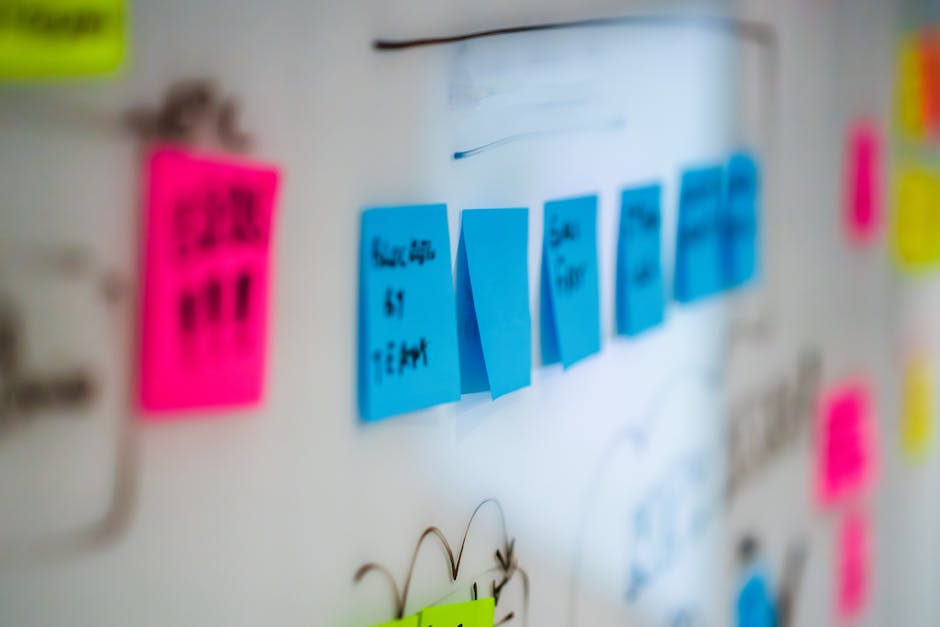
Trello uses a visual board system that makes tracking progress feel like moving sticky notes on a wall. It cuts through the noise and keeps everyone focused on the current stage of the work.
- Drag and drop cards make updating status a task you can finish in seconds.
- Shared boards ensure that you keep the entire team on the same page.
- Simple automation rules handle routine tasks to keep your workflow clean.
Best for: Small team collaboration
Choosing the right path comes down to your tolerance for change. If you value structure over speed, Waterfall is your ally. If you prefer learning as you go, Scrum will serve your needs better.