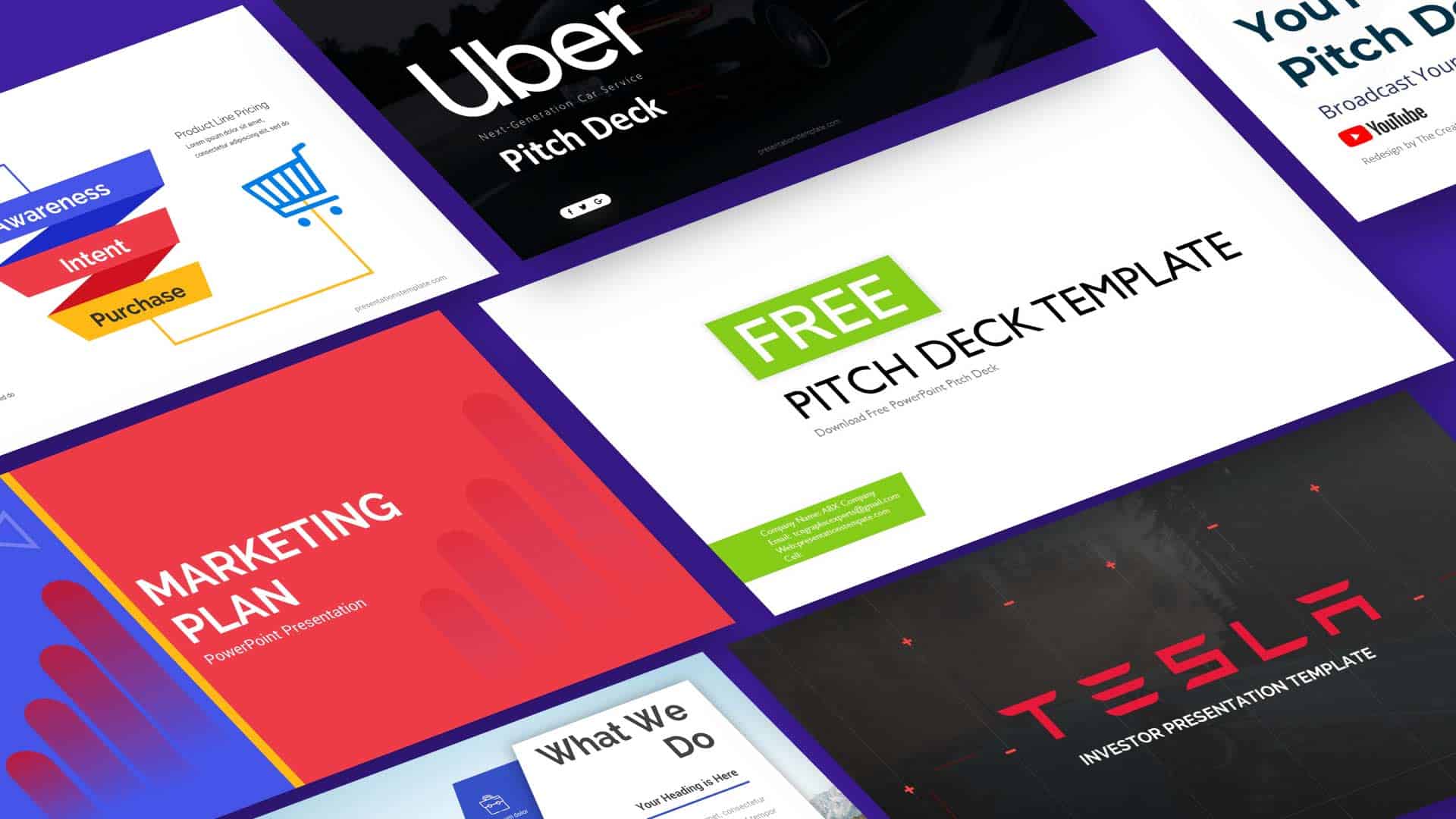
Unlock Winning Sales Pitches: Real‑World Presentation Samples That Close Deals
Why a Great Pitch Matters
The Cost of a Weak Pitch
When a pitch falls flat, you lose more than just a prospect; you waste time, money, and momentum. A muddled story leaves decision‑makers confused and skeptical, and they quickly turn to a competitor with a clearer vision. I’ve seen deals evaporate because the presenter couldn’t articulate value in the first few minutes. The lesson is simple: a weak pitch drains resources and erodes confidence.
Benefits of a Compelling Narrative
A tight narrative turns a product into a solution people feel they can’t live without. It creates an emotional hook that sticks, making the audience remember you long after the slides fade. From my experience, a well‑crafted story shortens the sales cycle and boosts conversion rates dramatically. In short, a compelling pitch fuels enthusiasm, builds trust, and accelerates commitment.
Core Elements of a Killer Pitch
Hook That Grabs Attention
The opening line should feel like a spark that ignites curiosity. I start with a bold statistic or a vivid scenario that mirrors the prospect’s pain point. When the hook lands, the audience leans forward, eager to hear the next word. A strong start sets the tone for everything that follows.
Problem Statement That Resonates
After the hook, I paint the problem in vivid detail, using language that mirrors the prospect’s own frustrations. It’s essential to show you truly understand the challenge before offering a remedy. I often sprinkle a short anecdote that illustrates the stakes, making the issue feel personal. This step builds empathy and positions you as the one who gets it.
Solution Showcase With Proof
Now comes the moment to unveil your solution, but I never jump straight to features. I translate each feature into a tangible benefit that solves the problem you just described. Supporting data, brief case studies, or a quick demo act as proof points that cement credibility. I keep the flow tight, avoiding jargon that could cloud the message.
Call‑to‑Action That Drives Commitment
The final slide isn’t a polite thank‑you; it’s a clear invitation to act. I spell out the next step—whether it’s a trial, a meeting, or a contract signature—in concrete terms. Adding a deadline or a limited‑time incentive can tip the scales toward a swift decision. A decisive CTA turns interest into action.
Sample Pitch Decks You Can Borrow
Startup Funding Deck Blueprint
- Slide 1: One‑sentence value proposition that hooks investors.
- Slide 2: Market size backed by credible sources.
- Slide 3: Traction metrics that prove momentum.
- Slide 4: Business model illustrated with clear revenue streams.
- Slide 5: Team slide highlighting relevant experience.
- Slide 6: Ask and use of funds broken down.
I’ve adapted this template for several tech founders, and the structure consistently keeps investors engaged. Feel free to swap in your own data while preserving the logical flow.
B2B Service Pitch Template
- Slide 1: Client pain headline that mirrors their daily challenges.
- Slide 2: Quick audit snapshot showing current inefficiencies.
- Slide 3: Service workflow that maps directly to pain points.
- Slide 4: ROI calculator with realistic assumptions.
- Slide 5: Success story from a similar client.
- Slide 6: Partnership model and next‑step checklist.
When I use this layout, prospects see exactly how my service plugs into their operations, and the ROI slide often seals the deal.
Product Launch Presentation Sample
- Slide 1: Bold product tagline that captures imagination.
- Slide 2: Demo video that showcases core features in 30 seconds.
- Slide 3: Competitive matrix highlighting unique advantages.
- Slide 4: Early‑adopter testimonials with quantifiable results.
- Slide 5: Go‑to‑market timeline with key milestones.
- Slide 6: Pre‑order incentive and contact details.
This deck works well for consumer tech launches because it blends visual excitement with hard data, keeping both the heart and the head engaged.
Polishing Your Delivery
Voice, Pace, and Body Language
Even the best slides can’t rescue a monotone delivery. I practice varying my pitch’s tempo—slow for impact, quick for excitement—to keep listeners on their toes. Gestures should feel natural, not rehearsed; a relaxed stance conveys confidence. Recording yourself and playing it back reveals hidden habits you can tweak before the real meeting.
Visual Design Tricks That Keep Eyes Glued
Slide design is a silent salesperson. I stick to high‑contrast colors, generous white space, and one‑point‑type rule to avoid clutter. Images that illustrate a point work better than bullet‑heavy text. A consistent visual theme ties the story together and reduces cognitive load.
Rehearsal Hacks for Confidence
Time‑boxing your practice runs forces you to trim fluff and sharpen focus. I rehearse in front of a mirror or a trusted colleague, asking for blunt feedback on pacing and clarity. Simulating the actual environment—standing at a podium, using the same clicker—helps the brain adapt. These small habits turn nervous energy into polished performance.
Conclusion
Mastering a sales pitch isn’t about flashy tricks; it’s about a clear story, solid evidence, and a confident delivery. Use the sample decks as a springboard, adapt the core elements to your audience, and rehearse until the flow feels natural. When you walk into the room armed with a tight narrative and polished visuals, you’ll notice the shift from polite nods to enthusiastic commitments. Good luck, and may your next pitch close the deal you’ve been chasing.