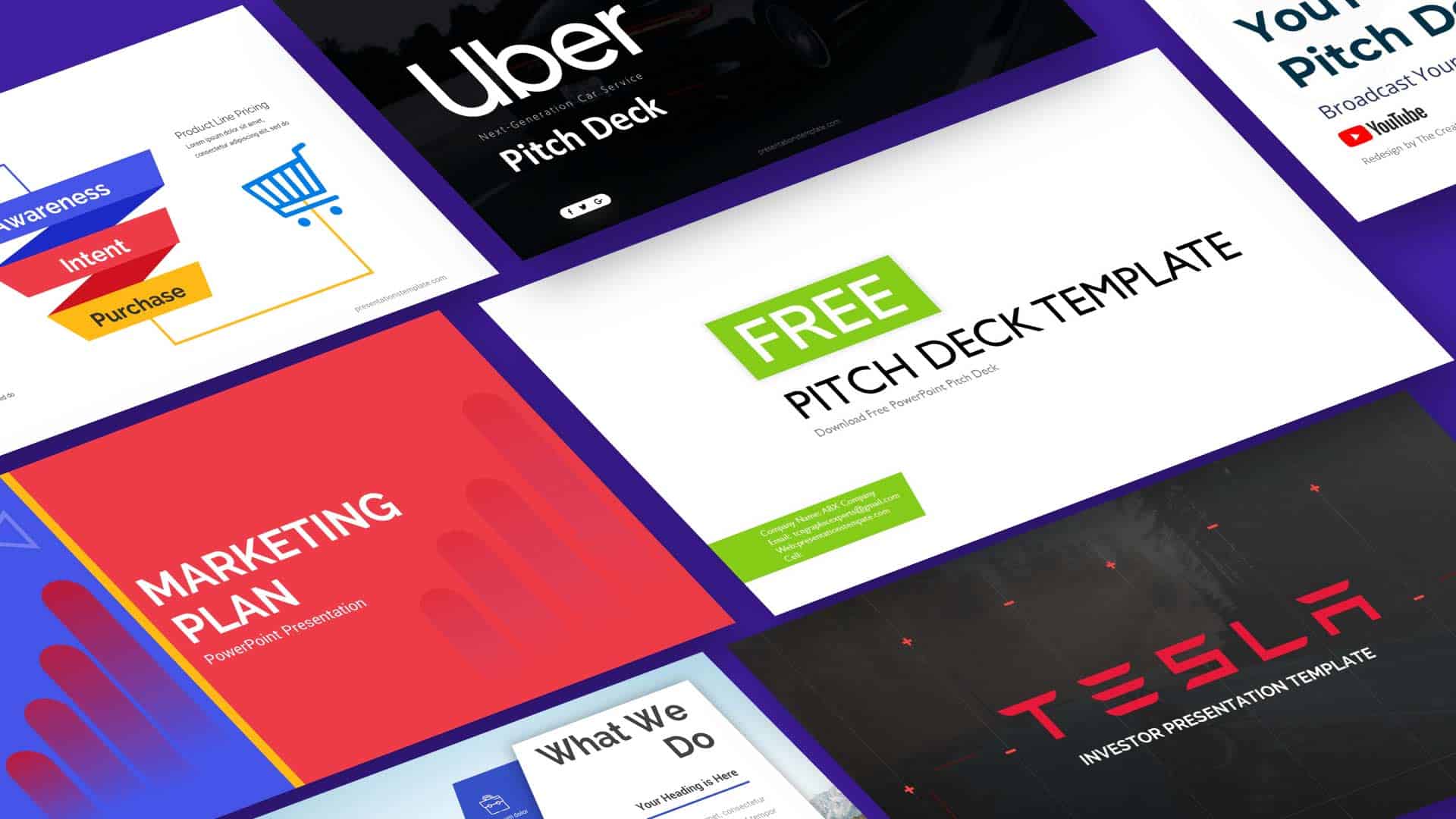
Unleash the Power of a High‑Converting Digital Marketing Presentation Template That Wins Agency Clients
The Value of a Ready‑Made Presentation Template
Speed and Consistency
When you’re chasing deadlines, a template saves you from the drag of starting from scratch. It gives you a polished framework so you can focus on the message, not the layout. The result is a deck that looks cohesive and professional every time you present. You’ll notice that the audience’s attention stays on the data, not on the design hiccups.
Because the structure is already in place, you can drop new content in and see the final slide in seconds. That instant turnaround is a real advantage when a client asks for a quick turnaround. It also cuts the risk of mistakes that happen when you build slides piecemeal.
Speed is not just about time; it’s about confidence. Knowing the template will hold up under scrutiny lets you speak with conviction. You’re not juggling multiple file formats or layout inconsistencies, so you can keep the conversation flowing.
Professional Design
Templates are built by designers who understand what makes a slide clear and engaging. They use balanced color palettes, readable typography, and intentional whitespace to guide the viewer’s eye. When you use a template, you inherit that expertise without paying a designer’s hourly rate.
Each slide is crafted to support storytelling. The hierarchy of information—headline, supporting points, visual aid—helps the audience grasp complex ideas quickly. This clarity is a key driver of conversion, as the client can see the value you bring without getting lost in clutter.
Because the design is already vetted, you can trust that the visual elements won’t clash or distract. The template’s consistency also builds brand credibility, making the agency appear organized and reliable.
Data‑Driven Storytelling
A good template integrates charts, graphs, and data visualizations seamlessly. It knows where to place a bar graph next to a bullet list so the numbers reinforce the narrative. This alignment helps the audience remember key takeaways.
Storytelling isn’t just about visuals; it’s about pacing. Templates often include transition slides that guide the audience from one section to the next, preventing information overload. The result is a narrative arc that feels natural and persuasive.
When you pair data with compelling visuals, you create a memorable pitch. The client can see the ROI of your strategies at a glance, turning abstract concepts into concrete expectations.
Essential Features for a High‑Converting Template
Modular Slide Library
A modular library gives you a set of interchangeable slide types—introduction, problem statement, solution, metrics, next steps. Each module is designed to slot together smoothly, so you can rearrange the order without breaking the flow.
With modules, you can tailor the deck to the client’s industry or stage. If a client is a startup, you might emphasize traction and growth. If it’s an established firm, you could focus on market expansion and competitive advantage. The flexibility keeps the pitch relevant.
Because every module follows the same visual language, the deck feels unified. The audience can focus on the content rather than adapting to new slide styles.
Customizable Branding
Branding options let you swap colors, logos, and fonts to match your client’s identity. This level of personalization signals that you’ve done your homework and respect their brand. It also helps the client visualize how your strategy fits into their existing ecosystem.
Custom branding can be as simple as a color picker or as advanced as a brand kit import. Either way, the template adapts without manual tweaking. That ease saves time and reduces errors.
When the deck reflects the client’s visual identity, it feels less like a generic pitch and more like a partnership proposal. That subtle shift can sway the decision in your favor.
Built‑In Analytics
Some templates embed placeholders for performance metrics or dashboards. You can insert real numbers or projections directly into the slide, making the data feel current and actionable.
By using a template that supports live data feeds, you can update figures on the fly. That feature keeps the presentation fresh and responsive to client questions.
Analytics also help you track which slides resonate most. If you notice that certain slides consistently drive engagement, you can refine future decks to emphasize those strengths.
Top Templates to Consider
Template A: Sleek Minimalist
Template A focuses on clean lines and ample whitespace. It’s ideal for clients who value clarity over flair. The layout places emphasis on key data points, letting numbers speak for themselves.
The minimalist approach reduces visual noise, so the audience can quickly absorb the core message. It also scales well across devices, ensuring the deck looks sharp whether presented on a laptop or a projector.
Because the design is restrained, you can insert bold colors or images without breaking the aesthetic. This flexibility allows you to highlight critical insights while maintaining a professional tone.
Template B: Bold and Colorful
Template B embraces a vibrant palette and dynamic shapes. It’s perfect for agencies that want to stand out and showcase creative flair. The bold colors capture attention, especially in competitive pitches.
Each slide is built to accommodate infographics and creative visuals. The design encourages storytelling through visual metaphors, making complex data approachable.
While the template is lively, it still maintains structure. The layout guides the viewer through the narrative, preventing the boldness from becoming overwhelming.
Template C: Data‑Rich Dashboard
Template C is engineered for data‑heavy presentations. It offers multiple chart types, KPI grids, and comparison tables. The design ensures that metrics are clear and easy to interpret.
Clients who rely on data for decision‑making will appreciate the emphasis on actionable insights. The template’s dashboards can be updated with real‑time data, keeping the presentation current.
Because the focus is on numbers, the visual elements are streamlined. This keeps the deck from becoming cluttered while still delivering depth.
How to Tailor the Template to Your Pitch
Aligning Slides with Client Goals
Start by mapping the client’s objectives to the template’s modules. If the client wants market penetration, highlight slides that showcase growth metrics. If they need brand awareness, focus on storytelling slides that illustrate brand impact.
Use the template’s structure to build a logical flow: problem, solution, proof, and next steps. This progression keeps the audience engaged and demonstrates a clear path to success.
When the deck aligns with the client’s goals, you reduce the need for follow‑up explanations. The audience can see the solution in a single glance.
Injecting Your Own Case Studies
Replace generic examples with your agency’s success stories. Use the template’s case study slide to detail the challenge, action, and outcome. Quantify results with numbers that match the client’s industry.
Embedding real data builds credibility. It shows that you’ve delivered tangible results and that you understand the metrics that matter to the client.
Keep the case study concise—focus on the most impressive outcome. A short, data‑rich story is more memorable than a long narrative.
Testing and Refining
Run the deck through a test audience, such as a colleague or a small focus group. Ask for feedback on clarity, pacing, and visual appeal.
Use the insights to tweak slide order, adjust colors, or simplify text. Small refinements can significantly improve the deck’s impact.
After refining, rehearse the presentation to ensure smooth transitions. A confident delivery amplifies the template’s design strengths.
Tracking Conversion Rates
Set Up Metrics
Define what success looks like: a signed contract, a follow‑up meeting, or a demo request. Track these outcomes after each pitch.
Use a simple spreadsheet or CRM to log results. This data helps you see which slides or templates yield the best conversion.
Analyzing metrics over time lets you refine your deck strategy, focusing on elements that drive results.
Iterate Based on Feedback
Collect qualitative feedback from prospects. Ask what resonated and what felt unclear.
Incorporate this feedback into future iterations. A responsive deck adapts to client preferences, increasing the likelihood of success.
Iterative improvement keeps your presentation fresh and relevant in a fast‑moving market.
Show Results to Clients
When you share conversion data with clients, it demonstrates transparency and accountability. They can see how your deck translates into tangible outcomes.
Use visuals—charts or graphs—to illustrate your win rate. This evidence supports your value proposition and builds trust.
Clients appreciate a data‑driven approach. It signals that you’re results‑oriented and that your strategies are proven.
Conclusion
Choosing the right presentation template is a strategic move that saves time, boosts professionalism, and drives conversions. By focusing on modularity, branding, and analytics, you can craft decks that resonate with any client.
Remember to tailor each slide to the client’s goals, inject real case studies, and test your deck with a small audience before the big pitch. Continuous refinement ensures your presentation stays sharp.
Armed with a high‑converting template and a data‑backed approach, you’re ready to win more agency clients and elevate your pitch game.
Call to Action
Ready to upgrade your pitch deck? Explore the templates highlighted above, customize them to your brand, and start converting prospects into partners today.
FAQ
How long does it take to customize a template?
Most templates allow branding changes in minutes. Adding custom slides or data usually takes a few hours, depending on the depth of customization.
Can I use the template across different devices?
Yes, modern templates are responsive. They adjust layout for laptops, tablets, and projectors without losing clarity.
Do I need design skills to use a template?
No. Templates are built for non‑designers. You can create a polished deck by following the provided guidelines and using the built‑in tools.