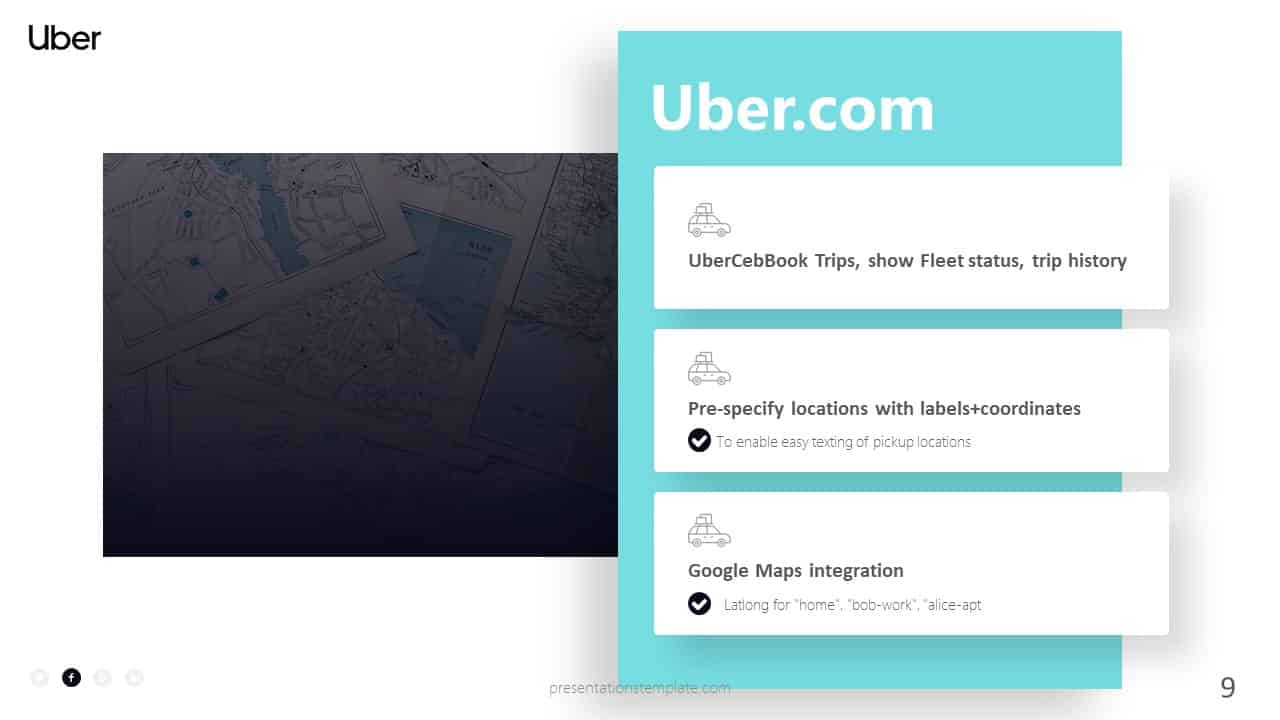
Unlock Investor Interest: Build a High-Converting Slide Deck with Our Startup Pitch Template
Why a Strong Pitch Deck Matters
First Impressions Count
When you walk into a room with a deck, the first few seconds set the tone. A clean, focused opening slide tells investors you respect their time and have a clear vision. If the design feels chaotic, they’ll start looking for flaws before you even speak.
That’s why a template that forces you to prioritize the essentials can be a game‑changer. It nudges you toward the most compelling headline, a crisp value proposition, and a visual that sparks curiosity.
Storytelling Drives Decisions
Investors aren’t just buying a product; they’re buying a story. Your deck should walk them through a problem, a solution, market potential, and a path to growth. When each slide feels like the next chapter, the narrative sticks.
Using the template, you’ll find dedicated slots for tension‑building and payoff, which helps you keep the story arc tight without wandering off‑track.
How the Template Guides Your Deck
Structure at a Glance
The template breaks the deck into ten proven sections: title, problem, solution, market size, business model, traction, competition, go‑to‑market, financials, and ask. Each section comes with a short prompt that reminds you what to include.
Because the layout is pre‑arranged, you spend less time debating slide order and more time polishing content.
Design Tips
- Stick to two complementary fonts – one for headings, one for body copy.
- Use a muted color palette; let data visualizations pop with a single accent hue.
- Leave generous white space; crowded slides drain attention.
Pro tip: Replace dense paragraphs with icons or simple graphics whenever possible. A picture of a growth curve says more than a paragraph of numbers.
Data Visualization
Numbers are the backbone of any pitch, but raw tables are hard to digest. The template includes pre‑made charts that automatically align with your brand colors. Just paste your data, and the chart updates instantly.
Choosing the right chart type – bar for comparisons, line for trends, pie for share – keeps the story moving without confusing the audience.
Practical Steps to Fill the Template
Gather Core Content
Before you open the file, collect the essentials: a one‑sentence elevator pitch, key metrics, and a concise competitor matrix. Having these pieces on hand prevents endless back‑and‑forth.
Write each bullet point in plain language first; you can always tighten the wording later.
Craft Compelling Slides
Start with the problem slide – paint a vivid picture of the pain point. Then flip to your solution, highlighting the unique angle that sets you apart.
When you reach the traction slide, showcase real milestones: users, revenue, partnerships. Concrete evidence builds credibility faster than vague promises.
Polish and Test
Run through the deck aloud. Does each slide flow naturally into the next? If you stumble on a transition, rewrite the bridge sentence.
Finally, ask a trusted colleague to critique the deck. Fresh eyes catch missing data, unclear phrasing, or visual inconsistencies that you may have missed.
Common Mistakes and How to Avoid Them
Overloading Slides
It’s tempting to cram every statistic onto one slide, but that overwhelms the audience. Stick to one key takeaway per slide and support it with a single visual.
When you feel the urge to add more, ask yourself whether the extra detail moves the story forward. If not, tuck it into an appendix.
Neglecting Narrative Flow
Jumping from market size straight to financials can leave a gap in logic. The template’s order forces you to build a bridge between opportunity and revenue model.
Follow the preset sequence, and you’ll guide investors through a logical progression that feels natural.
Conclusion
Building a high‑converting pitch deck doesn’t have to be a guessing game. Our startup pitch template gives you a proven framework, design shortcuts, and a clear narrative path.
Start by filling in the prompts, tweak the visuals, and rehearse until the story rolls off your tongue. With a polished deck in hand, you’ll walk into any investor meeting feeling prepared and confident.