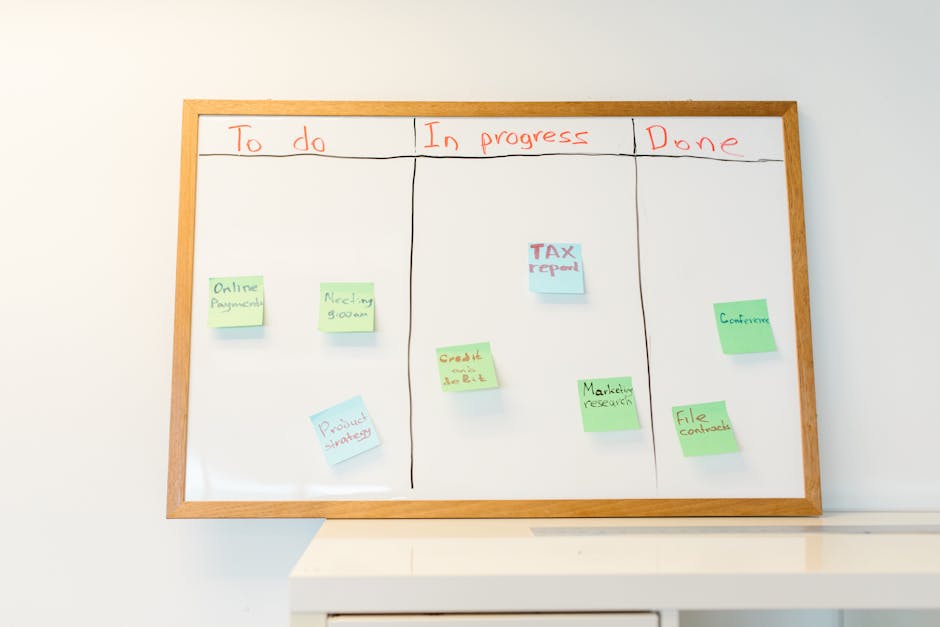
Mastering Agile Project Management: A Practical Guide for High Performing Teams
Have you ever felt like your team is running a marathon while looking at a map from a different race? Agile project management transforms that chaos into a structured dance where everyone knows their next move. It keeps your eyes on the goal while you adapt to the inevitable shifts in your daily workload.
The Core Principles of Agile Success
Embrace the Iterative Mindset
Agile is not just a framework; it is a way to work that values results over rigid documentation. You break large tasks into smaller chunks called sprints. This approach prevents you from feeling overwhelmed by massive projects that seem to have no end. You gain momentum by shipping smaller updates frequently.
Prioritize Direct Communication
Stop hiding behind long email chains that go nowhere. Agile encourages face-to-face conversations or quick stand-up meetings to clear blockers immediately. When you talk to your teammates daily, you identify issues before they derail your progress. Transparency creates a sense of shared responsibility across the whole group.
Top Agile Management Tools
Jira
Best for Software Development Teams
- Manage complex workflows with deep tracking capabilities.
- Generate detailed velocity charts to monitor team performance.
- Customize boards to match your specific sprint lifecycle.
- Integrate with developer tools to keep code and tasks aligned.
I find Jira to be the industry standard for a reason, even if the interface feels heavy at times. You can track every single line of code alongside your tickets. It handles large-scale operations where you need granular control over every process.
Trello
Best for Visual Task Tracking
- Use drag-and-drop boards to move tasks between stages.
- Assign cards to team members to clarify individual duties.
- Add checklists inside cards to break down sub-tasks.
- Set deadlines on cards to keep the momentum going.
Trello makes project management feel like a simple board game. I appreciate how you can see the entire project status at a glance without clicking through endless menus. It works best if you keep your processes straightforward and your team size moderate.
Asana
Best for Cross Department Coordination
- Visualize timelines using built-in Gantt chart views.
- Create automated rules to handle repetitive administrative work.
- Sync project goals with individual daily action items.
- Build reports that highlight bottlenecks in your current pipeline.
Asana strikes a great balance between power and usability for me. You can manage complex projects while keeping the aesthetic clean. It excels when you need to coordinate tasks between different departments that do not share the same technical background.
Refining Your Workflow
Start small by testing a single sprint cycle to see how your team reacts. You will likely notice that the friction begins to fade once you stop guessing and start measuring. Pick one tool that fits your current needs and commit to using it properly.
Agile is a journey of constant refinement, so do not fear making mistakes early on. Your main goal is to improve your output and keep the team spirit high. Take the leap, adjust your sails, and watch your project delivery improve over time.